Project Case Study

Guth Eile

Unity-based educational product teaching Irish Sign Language

Role

Designer

Status

Completed

Tools

Unity, C#

Tags

Game DesignUnityEducationAccessibility
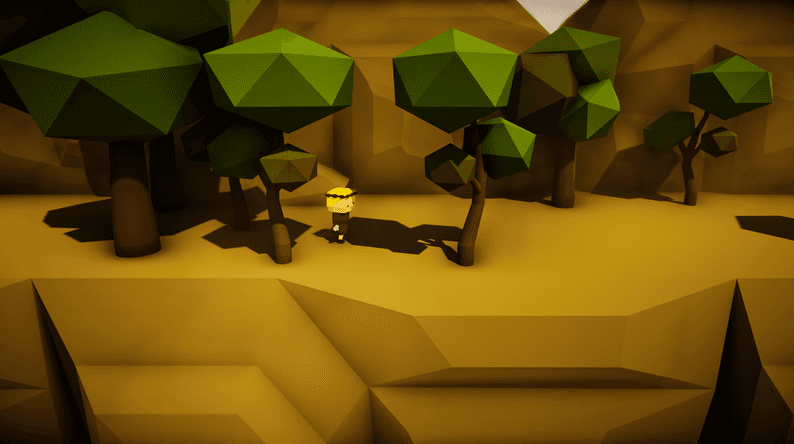
Guth Eile screenshot

Case Study Snapshot

Problem

  • ISL learning resources were limited and mostly non-interactive.
  • Learners needed a more engaging way to practice basics.

Constraints

  • Tight university timeline with a small team.
  • It had to work as both a strong game and a real learning tool.
  • ISL accuracy required ongoing input from experts and deaf community members.

Results

  • Placed 9th globally in the 2020 Unity Connect Student Challenge.
  • Presented at the IGBL Conference in 2019.
  • Showed that game loops can support sign language learning.

Overview

Guth Eile started with a question: can game mechanics make sign language accessible to people who would never sit through a textbook? The project used interactive gameplay to teach Irish Sign Language vocabulary and phrases. Visual feedback reinforced correct signs. Progression systems gave players a reason to keep going. The loop structure was the same one I was studying in my game design coursework, applied to language acquisition instead of entertainment.

It received international recognition, placing 9th globally in the Unity Connect Student Challenge and being selected for presentation at the IGBL Conference on game-based learning.

Challenges

The core challenge was balancing educational accuracy with gameplay engagement. The game had to be fun enough to keep players engaged but rigorous enough that they were actually learning correct ISL. This meant working closely with ISL experts to validate content at every stage.

Process

Development followed an iterative approach with regular playtesting to check both the learning outcomes and the gameplay experience. Feedback from testers shaped adjustments to difficulty pacing, visual clarity of sign demonstrations, and the reward structure.

Outcome & What I Learned

The recognition confirmed the approach worked beyond a university setting. But the more lasting lesson was about transfer: game design skills apply cleanly to non-entertainment problems. The mechanics that make a player want to complete the next level are structurally similar to the mechanics that make a museum visitor want to tap the next NFC tag. I didn't see that clearly until Guth Eile. It has shaped everything I have built since.

← Back to projects